“ In reality, procedure translates the substantive meaning of Justice”
– The one thing every lawyer will agree to.
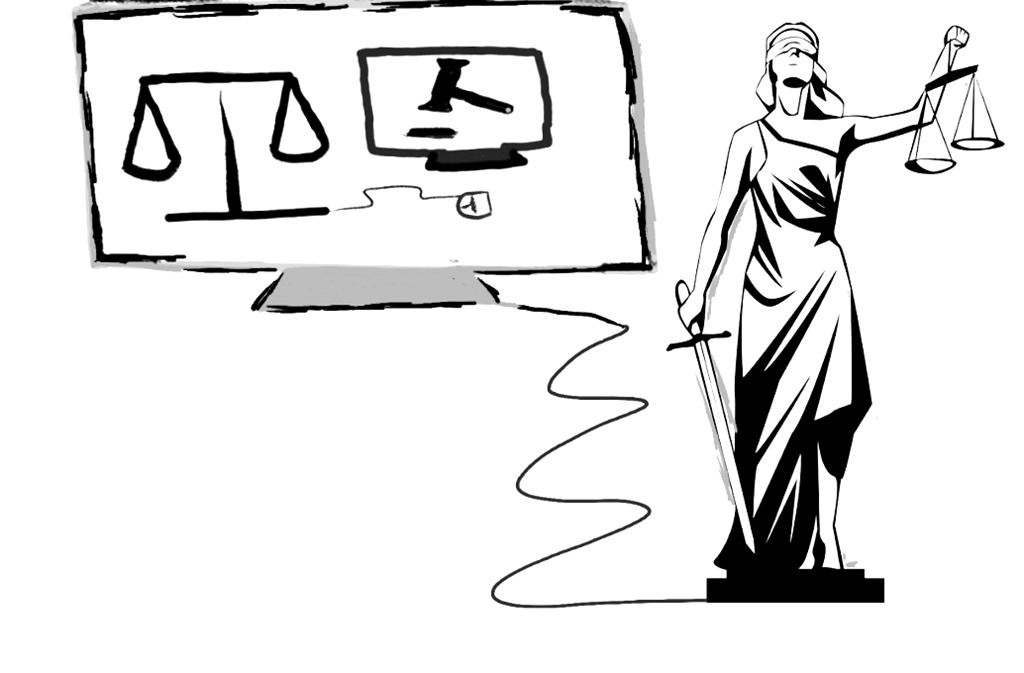
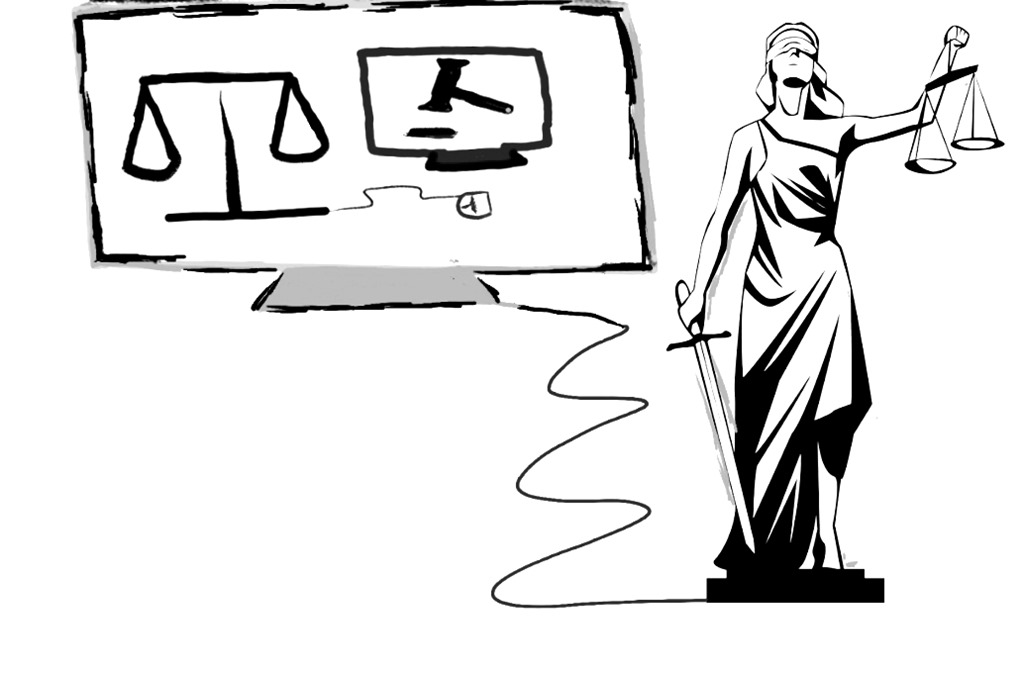
- It took a pandemic for most of the Indian Judiciary to realise that the internet facilitates the access to Justice. By this I mean that the Judiciary is continuing its operations by holding hearings over video conferencing apps etc. Despite the security concerns; by continuing to do what they do online, they’ve finally harnessed the utilities offered by the Internet . Such a cool thing. But the aim of this entry is not focused on praising their move to do so, but more pointedly, it’s focused on what happens after things resume to a state of normalcy? What does the Indian Judiciary need to take into consideration while dispensing justice through the Internet.
INVITE INDIA’S FINEST ENGINEERS
- We’re one of the few countries who manufacture engineers in exponential numbers. Why do we not employ them in ensuring the creation of an accessible system? Although not an exhaustive list, here’s a couple of things I think the engineering communities can help out with:
- Installing Computers and Internet: It’s time to rewire the hardware of Court. By this I mean that make computers installed with the necessary word processor should be made mandatory. I can testify to the fact that even today computers and digitalisation are a rarity in the lower judiciary; why? Nobody has a bloody clue. HOW ON GOD’S GREEN EARTH DO WE NOT HAVE BASIC COMPUTERS AND INTERNET? For a profession that emphasis on standardisation and uniformity, we surely perform poorly when it comes to employing the tools that will assist in ensuring it. Sometimes I think they have not upgraded the system as a whole because they want to make sure it’s maintained that way. For heaven’s sake, I think it’s time that we have fibre optics running around in Courts. Justice is only done when things are made accessible!
- A functional and compatible website: Here’s another reality check, the websites of our Courts are tedious to understand and requires the skills of a professional navigator. It is not functional in the sense that it is everything but user friendly. As it is people caught in the system have to deal with lengthy procedure of accessing justice; as people who operate the system, the least we can do is ensure that the app or website is user-friendly. Given the grand aura that surrounds the Justice system, the prospect of working with the Indian Judiciary holds a lot more value than you think. This is more than enough to attract India’s youngest and brightest engineers. A Judicial Engineer Intern looks good on paper doesn’t it?
- A network exclusive to Judges and Judicial Staff: Whether you like it or not, being an officer of the Court gives you access to an exclusive network of people and information, which ordinary people do not have. So why not translate this exclusivity by establishing an exclusive network that is solely for the members of this exclusive club I.e. Judges, registrars and other Court Staff. You wanna know the best part of this? You can design and tune the security requirements as per your requirement. And guess what, if you really want to get rid of the non-sense you have to go through the registry, with India’s finest engineers you can create a system of automatic listing on priority basis and not solely depend on people to ensure that your day gets to see the light of the day. Again, this all works out only if you want it to. I hope some higher up in the judiciary ensures a mechanical system in place regarding your case.
THE NEW AGE COURT STAFF
- Now that you have your basic infrastructure in place, you need to make sure that the machinery is not just functional, but continues to remain so. Just because one knows how to use a smart phone for its basic functions does not mean the user is a born engineer. Registrars and other administrators must take an active initiative in ensuring that everybody involved in Court is acquainted with the mechanics of the digital system. The few years I have spent in the judiciary, the one thing I’ve always heard is that, “ e-filing is just a formality, it does not actually work”. Introducing a system only to realise that is non-operational is utter bullshit. I am surprised that nobody has bought this to the attention of the respective authorities.
- Training in an accessible language: I’ve tried talking to Court staff in several Courts across our country; the amount they know about tech is appalling. Well, to be honest, I cannot blame them, since it’s not their fault the information they need to know is inaccessible. In other words, information is not available in the regional language they are familiar with. The medium of training the staff must be in the language they understand. For instance, it is pointless to teach your staff in English or Hindi, if their primary mode of communication is in Tamil or Kannada. Unless you are going to standardise the language of communication from the grass root level, you have to teach tech in a language that is familiar to those who are going to be handling it. Failure to do this will not only result into an inefficient system, but will be a futile exercise lost in limbo.
- A handbook: Try providing an engaging handbook. The purpose of the handbook should be to provide information in an engaging and understandable manner. Bring in the locally popular publishers to help you out with this. The handbook should be written in a manner that trains every staff member to qualify as tech support. By doing this you will equip your loyal staff with skills that will be useful after retirement. Everybody needs some form of tech support.
- Now that you have your basic infrastructure in place, you need to make sure that the machinery is not just functional, but continues to remain so. Just because one knows how to use a smart phone for its basic functions does not mean the user is a born engineer. Registrars and other administrators must take an active initiative in ensuring that everybody involved in Court is acquainted with the mechanics of the digital system. The few years I have spent in the judiciary, the one thing I’ve always heard is that, “ e-filing is just a formality, it does not actually work”. Introducing a system only to realise that is non-operational is utter bullshit. I am surprised that nobody has bought this to the attention of the respective authorities.
- Training in an accessible language: I’ve tried talking to Court staff in several Courts across our country; the amount they know about tech is appalling. Well, to be honest, I cannot blame them, since it’s not their fault the information they need to know is inaccessible. In other words, information is not available in the regional language they are familiar with. The medium of training the staff must be in the language they understand. For instance, it is pointless to teach your staff in English or Hindi, if their primary mode of communication is in Tamil or Kannada. Unless you are going to standardise the language of communication from the grass root level, you have to teach tech in a language that is familiar to those who are going to be handling it. Failure to do this will not only result into an inefficient system, but will be a futile exercise lost in limbo.
IMPROVING THE ACCESS TO JUSTICE ONE STEP AT A TIME
- I find it very cute that our Judicial officers talk about introducing artificial intelligence to improve the management of cases. But none of this smanshy shit works if you do not have your basic hardware configuration working at an optimal level. In other words, your internet, computer systems etch should, at the least be functioning. Although I admire the enthusiasm, I do not think digitisation should be implemented as a one-size-fits-all scheme. You have to tune the implementation of digitising to the state in which you’re trying to introduce this. Failure to consider this and apply a blanket formula of implementation will be futile in the long run.
- Lastly, here’s an appeal to all those judicial officers, it’s time to widen your networking circles and bring in the young enthusiastic engineering kids who’ll help you out. With the right incentives, you’ll be able to attract the engineers who believe in the cause of Justice and want to transform it.
 Whiskey Justice